

HomepageBusiness CustomersAll ServicesDigital & Product SolutionsEMC & RF TestingAutomotive EMC Testing
Automotive EMC Testing
Modern vehicles integrate numerous electronic components that must operate reliably without causing interference with one another or with external systems. With the rapid growth of Electric Vehicles (EVs), Advanced Driver Assistance Systems (ADAS), and connected car technologies, ensuring electromagnetic compatibility (EMC) has become even a more critical factor for safety, performance and regulatory compliance in the automotive industry.
DEKRA’s Automotive EMC Testing services ensure that automotive components, systems, and complete vehicles comply with international standards such as CISPR 25, UN-ECE Regulation No. 10, ISO 7637, ISO 11452, etc., as well as OEM specifications like GM, Ford, Stellantis, BMW, Daimler, Volkswagen, HKMC, Toyota, Madza and more.
- Compliance with worldwide automotive EMC regulations (UN-ECE Regulation 10, CISPR 25, ISO 7637, ISO 10605, ISO 11452, etc.)
- Validates safety-critical system performance in complex electromagnetic environments
- Supports electric vehicle high-voltage system validation
- Reduces risks related to safety system interferences
About Automotive EMC Testing
Automotive EMC testing evaluates both electromagnetic emissions and immunity characteristics of automotive components and systems. This includes conventional automotive electronics and emerging technologies such as high-voltage electric systems (on-board charger, inverter, etc.) or advanced connectivity devices.
DEKRA’s accredited EMC specialists use advanced test facilities to recreate the full spectrum of electromagnetic conditions found in real vehicles. From transient disturbances to broadband and narrowband emissions, we evaluate component and system performance under critical scenarios. It helps to ensure that vehicle components operate reliably in the demanding electromagnetic environment of modern mobility.
Specialized EMC Testing for Electric Vehicles
Electric vehicles face unique EMC challenges. High-voltage systems generate strong emissions, while critical safety electronics require high immunity levels.
DEKRA’s specialized EV EMC testing services cover:
- Inverters, power electronics, and battery packs
- Wireless and conductive charging systems (IEC 61851, CHAdeMO, CharIN)
- System-level integration for charging infrastructure
Our high-voltage labs include programmable power supplies, active cooling, load simulation, and fibre-optic monitoring to ensure safe and precise testing under operating conditions.
Global EMC Compliance & Type Approval
We provide expertise on EMC requirements for entering global automotive markets. DEKRA is authorized as a Technical Service for automotive type approval (UN-ECE ) in Germany (E1), the Netherlands (E4), Sweden (E5) and Ireland (E24).
We also support:
- FCC & ISED compliance in North America
- CE & UKCA marking for Europe and the UK
- CCC requirements in China
- Guidance for emerging markets and regional standards
Our certification services simplify approval, reduce time to market, and ensure your components and vehicles meet all applicable EMC requirements.

Many leading OEMs have their own EMC requirements that often exceed regulatory minimums. We support OEM specifications from Ford, GM, BMW, Daimler, Volkswagen, Toyota, Honda, and Chinese manufacturers.
Our integrated strategies address multiple requirements simultaneously, streamlining the process and controlling costs. We align our procedures and documentation to each OEM’s specific needs to ensure full compatibility and smooth integration.
State-of-the-Art Testing Facilities
All labs operate under ISO/IEC 17025 accreditation, ensuring high-quality, repeatable, and internationally recognized test results.
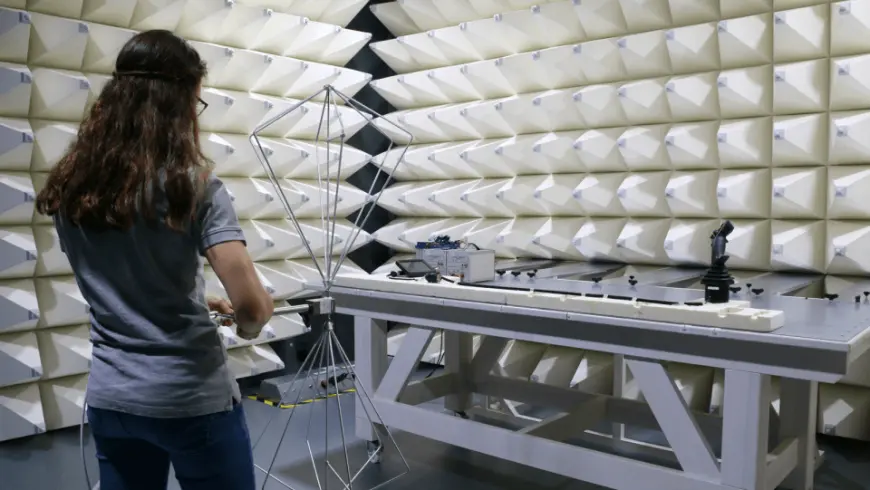

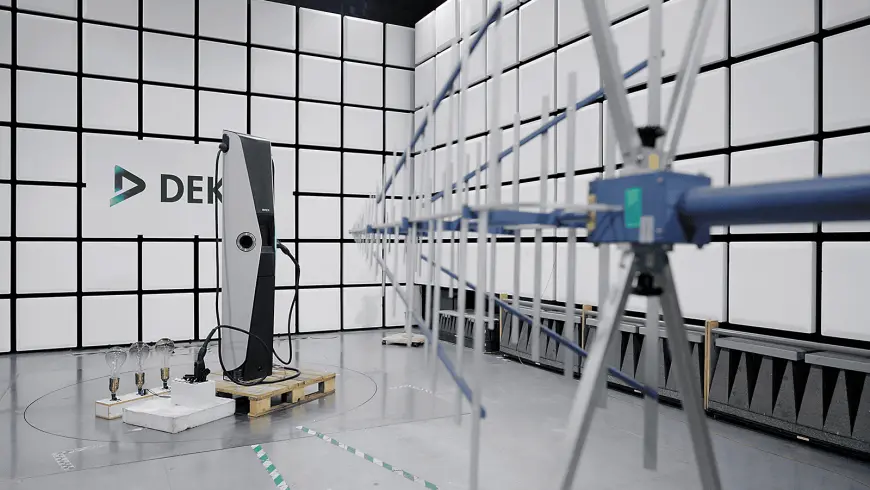
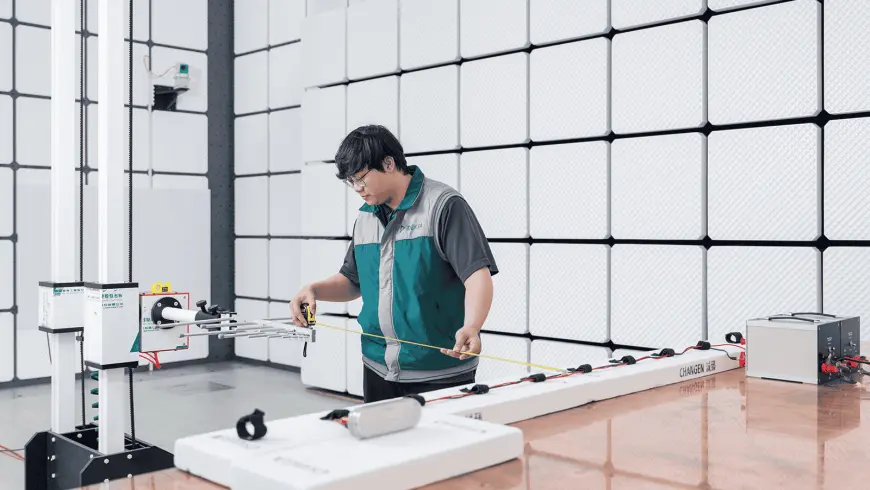
DEKRA’s automotive EMC labs are equipped with:
- Large semi-anechoic chambers (full vehicle and components)
- Shielded rooms for component testing and transient simulation
- Test equipment for conducted emissions and immunity (DC to 40 GHz)
- CAN-bus analyzers, fiber-optic monitoring systems and high speed data acquisition (DAQ) systems
- Air and liquid-cooled environments for high-voltage testing
DEKRA’s holistic testing strategy combines EMC evaluation with environmental, safety, and functional requirements. Our integrated approach includes:
- Environmental stress testing (vibration, temperature, humidity – ISO 16750)
- Functional safety testing
- Aging and reliability validation
- System-level analysis to understand failure modes in real conditions
This comprehensive approach reveals EMC vulnerabilities that only manifest under specific conditions, ensuring your product delivers reliable performance throughout its entire lifecycle.
In the context of vehicles, Electromagnetic Compatibility (EMC) describes the ability of electrical and electronic systems to operate as intended in their electromagnetic surroundings. This involves limiting the interference they generate while ensuring they remain unaffected by external electromagnetic influences. Automotive EMC testing examines both aspects, safeguarding the performance of on-board systems such as driver assistance features, infotainment units, and control modules. Testing follows recognised automotive EMC standards from bodies including ISO, CISPR, UN-ECE, and SAE, alongside manufacturer-specific rules.
Within the automotive sector, Electromagnetic Susceptibility (EMS) is a key matter because modern vehicles depend on many electronic systems that must work reliably in all environments. These systems are constantly exposed to electromagnetic signals from sources like mobile phones, radio transmitters, and other vehicle components. If they are too susceptible, such interference can cause malfunctions that affect vehicle safety, lead to costly warranty issues and damage a brand’s reputation. Regulations also require strict EMS performance before a vehicle can be placed in the market, making it essential for both compliance and customer trust.
EMC is a broad discipline that ensures devices can operate without disturbing each other electrically. RF (Radio Frequency) refers to a specific part of the electromagnetic spectrum used for data transmission and control signals. In EMC for automotive, RF testing concentrates on emissions and immunity within defined frequency bands, which is essential for systems relying on wireless communication, sensors, and keyless entry.
Vehicles are increasingly dependent on electronic systems. Without thorough automotive EMC testing, there is a risk of interference disrupting safety systems, communication links, or power management functions. Compliance testing also ensures vehicles meet legal requirements and automotive industry certifications needed for market access.
Any electronic devices or subassemblies capable of emitting or being affected by electromagnetic energy require assessment. This covers items from lighting controllers and ECUs to radar sensors, multimedia equipment, and battery management systems.
Typical automotive electromagnetic compatibility benchmarks include mandatory regulatory standards like UN-ECE Regulations No. 10, No. 116, No. 163, No.163,… and main international standards like CISPR 25, ISO 7637 series, ISO 11451 series, ISO 11452 series and SAE standards such as J1113. Manufacturers often apply additional OEMs specifications tailored to their product lines.
Testing takes place in purpose-built environments like semi-anechoic chambers using advanced automotive EMC test equipment. Measurements cover radiated and conducted emissions as well as immunity performance across a range of simulated operating conditions.
Component-level testing isolates an item to ensure it meets auto EMC requirements before integration. Full-vehicle testing evaluates the combined behaviour of all systems once installed, revealing potential interactions that component tests might not capture.
International automotive EMC standards, such as UN-ECE Regulation No. 10, CISPR 25, ISO 7637, and ISO 11452, define baseline requirements recognized globally. These standards specify the test methods, frequency ranges, and performance limits needed for regulatory compliance and market access in multiple countries.
Automotive OEM standards build on these international requirements but add manufacturer-specific test conditions, performance criteria, and acceptance limits tailored to their products and quality goals. OEM specifications often include:
- Stricter emission or immunity limits than international standards.
- Additional test setups or configurations that reflect the OEM’s vehicle architecture.
- Specific pass/fail criteria aligned with the manufacturer’s internal validation processes.
In short, international standards ensure regulatory compliance, while OEM standards ensure compliance with a specific manufacturer’s expectations, often at a higher or more specialized level. Products intended for global automotive supply chains usually need to pass both.
DEKRA offers global expertise in EMC automotive assessments, providing both early development support and final compliance testing. Our laboratories are equipped to test passenger cars, commercial vehicles, and their electronic subsystems in accordance with international and OEM standards, helping manufacturers achieve smooth certification processes.